


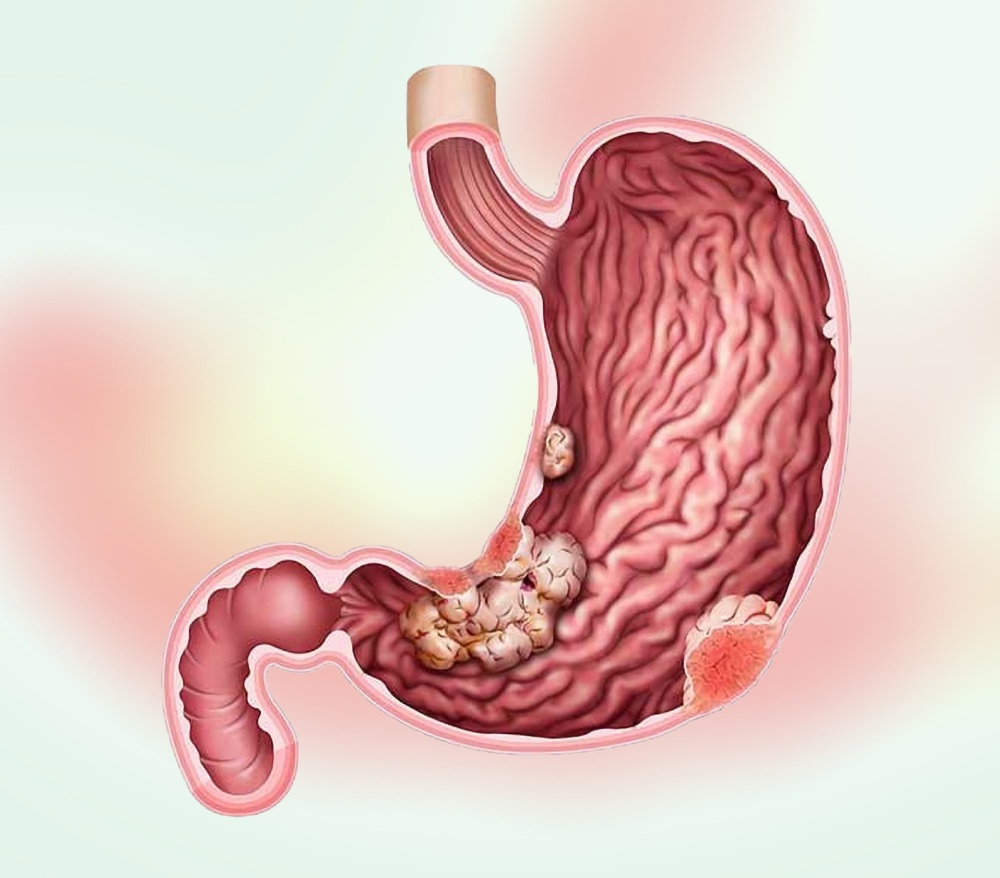
Early and accurate diagnosis is crucial in treating stomach cancer effectively. According to oncologistsin Kolkata, many patients are diagnosed at advanced stages because the early signs of stomach cancer often go unnoticed or resemble common digestive issues. Understanding the diagnostic process can help individuals seek timely medical attention and improve the chances of successful treatment. Stomach cancer diagnosis involves a combination of clinical evaluation, endoscopic examination, imaging tests, and tissue analysis. Each step plays a vital role in identifying the disease, determining its stage, and planning the right treatment approach.
The diagnostic journey typically begins with a detailed clinical evaluation. The doctor reviews the patient’s medical history, symptoms, lifestyle habits, and any family history of cancer. Common symptoms such as persistent indigestion, abdominal pain, nausea, weight loss, or loss of appetite may prompt further investigation. A physical examination helps the doctor check for any tenderness, swelling, or lumps around the abdomen. Based on these findings, the oncologist recommends specific diagnostic tests tailored to the patient’s condition.
Upper gastrointestinal (GI) endoscopy is considered the most accurate test for diagnosing stomach cancer. During this procedure, a flexible tube with a camera (endoscope) is inserted through the mouth into the stomach. This allows the doctor to closely examine the inner lining for ulcers, abnormal growths, red patches, or any suspicious lesions. If anything unusual is detected, tissue samples (biopsies) are taken immediately. Endoscopy is highly effective because it provides real-time visuals and allows for direct tissue sampling. It is minimally invasive, safe, and usually completed within 15–20 minutes. Patients may be given mild sedation to ensure comfort.
Once stomach cancer is suspected, imaging tests help determine the size of the tumor, its location, and whether it has spread to other organs. Some common imaging techniques include:
These imaging tests are essential for staging the cancer and planning the most effective treatment approach.
A biopsy is the only definitive way to confirm stomach cancer. During endoscopy, small samples of suspicious tissues are collected and analyzed under a microscope. Pathologists examine the cells to determine whether they are cancerous, the type of cancer, and how aggressive it is. This information is crucial for creating a personalized treatment plan that may include surgery, chemotherapy, radiation, or a combination of these.
Diagnosing stomach cancer involves several steps, each contributing valuable information about the nature and extent of the disease. From endoscopy to imaging and biopsy, these tests help doctors make precise, informed decisions regarding treatment. Consulting the best oncologist in Kolkata ensures that patients receive accurate evaluation, timely diagnosis, and expert guidance throughout their treatment journey. Early diagnosis remains the key to improving survival rates and achieving better long-term outcomes in stomach cancer care.
if you have any Emerangcy by health problem contact this No. (+91) 7980 408 683 / 9830 158 619 or contact form
© 2021, All rights reserved by Dr. Sanjoy Roy